
If you own a second home, a vacation property or a house you leave empty for part of the year, you have probably asked: how much do home watch services cost?
The honest answer is that it depends. There is no single price that fits every property, and any article that gives you one number for every home should be treated with caution. What you can do is understand what drives the price, so you can ask the right questions and compare quotes fairly.
This guide covers those factors. It does not promise a price. For the plans we offer, see our plans and pricing page.
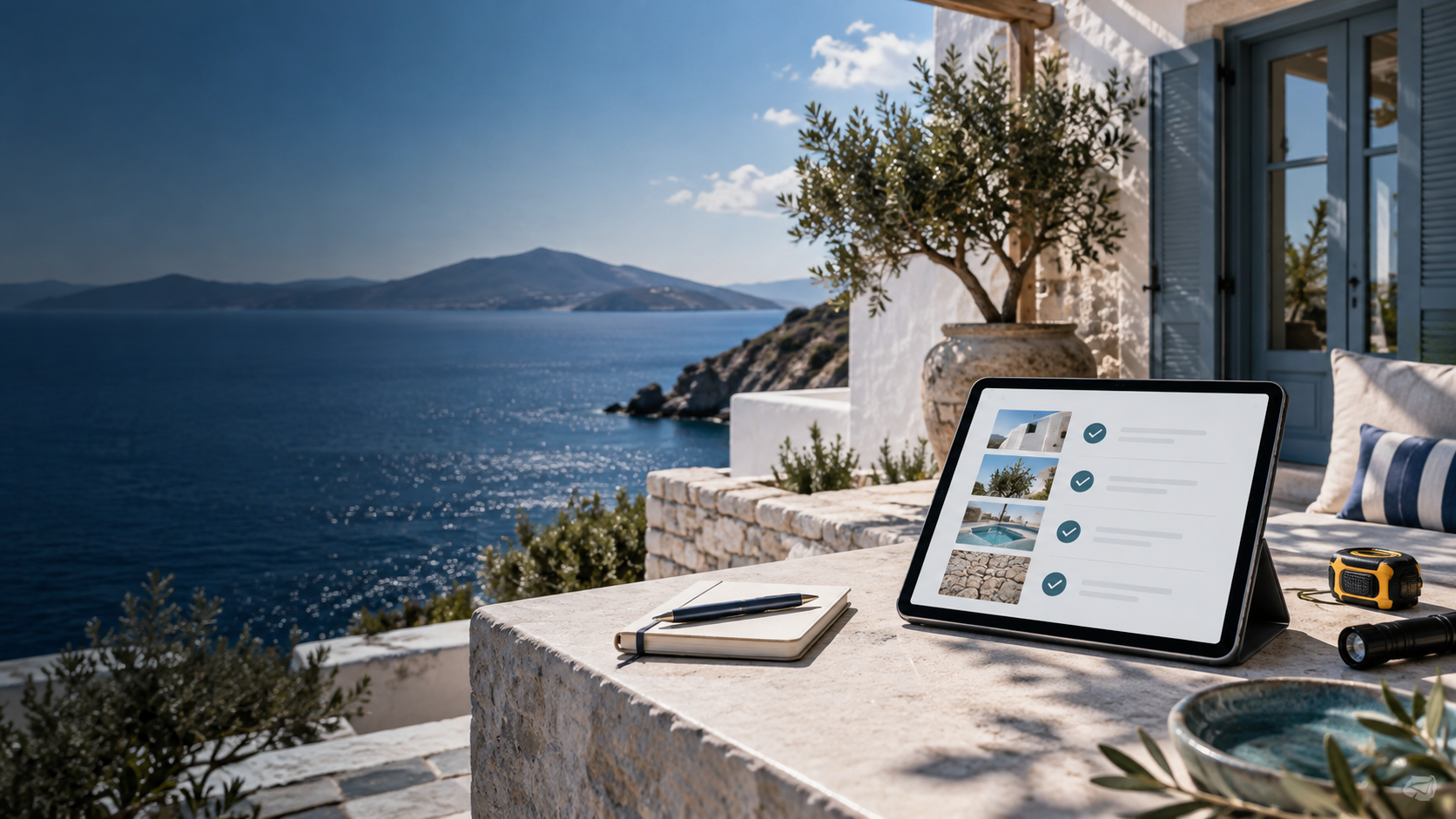
What a home watch service actually is
A home watch is a set of regular visits to an unoccupied home by a person who checks that everything is as it should be. A typical visit might include:
- Walking the interior and exterior of the property
- Looking for signs of water leaks, pests or storm damage
- Checking doors, windows and locks
- Confirming that air conditioning and appliances are running
- Reporting what was found to the owner
The exact checklist differs from one provider to another. That is the first reason prices differ, so always ask for the checklist in writing.
The main factors that shape a home watch quote
1. How often the home is visited
Visit frequency is usually the biggest factor. A property checked once a month needs less of a provider’s time than one checked weekly or twice a week. Many owners choose a schedule based on how long the home will sit empty and how risky the season is.
When you request a quote, say how long the home will be vacant and ask what frequency the provider recommends and why.
2. The size and layout of the property
A small condo takes less time to inspect than a large house with several floors, a pool, a garage and outbuildings. Square footage, number of rooms and the amount of outdoor space all affect how long a thorough visit takes.
3. Extra features that need attention
Some features need more than a quick look:
- A swimming pool or spa
- Irrigation systems
- A boat dock or boat lift
- Guest houses or detached garages
- Generators or shutters
Ask whether these are included in the base visit or priced separately.
4. Location and travel time
Where the home sits relative to the provider’s service area can affect the price. A home in a dense neighborhood differs from one that needs a longer drive. If you are searching for home watch services in Florida, remember that the state is large and conditions vary by region, so local knowledge matters as much as price.
5. Seasonal and weather needs
In Florida, many owners are away during the summer months, which overlaps with the hurricane season. Some providers offer additional services before and after a named storm, such as securing outdoor items or doing a post-storm inspection.
Ask directly: Is storm preparation or post-storm checking part of the plan, or an add-on? How is it scheduled when many clients need it at once?
6. Extra services beyond the basic visit
Some providers offer extras that add to the cost:
- Photo or written reports after each visit
- Receiving deliveries or packages
- Meeting contractors or technicians
- Pre-arrival preparation (opening the house, turning on utilities, stocking essentials)
- Running water through taps and flushing toilets
- Changing air filters
Decide which of these matter to you. A plan that looks cheaper may leave out items you would end up paying for separately.
7. Reporting and communication
How will you hear about what was found? A short summary, a detailed report and photos are different levels of service. If you live far away, a clear report may be the main reason you hire a home watch in the first place.
Pricing models you may come across
Providers structure pricing in different ways. Common approaches include:
- A fee per visit, where you pay for each check
- A monthly plan covering a set number of visits
- Packages or tiers with different levels of service
- Add-on pricing for extra tasks
None of these is automatically better. What matters is that you understand exactly what you are paying for and what is excluded. Our own plans are described on the plans and pricing page.
Why a very low price can be a warning sign
When comparing home watch services prices, the cheapest quote is not always the best value. Before you decide, check:
- Insurance. Is the provider insured? Ask what is covered and request proof.
- Experience and references. How long have they worked in the area? Can they give references?
- Visit length and thoroughness. A very short visit may be a walk past the front door.
- Documentation. Do you get a record of each visit?
- Emergency plan. Who do they call if they find a leak or a break-in, and how quickly?
Be careful here: the goal is protecting your property, not just ticking a box.

Home watch versus other options
Some owners compare home watch to a neighbor checking in, a property manager or a smart-home monitoring system. Each has a place:
- A neighbor may be free, but they may not be trained, insured or available on a fixed schedule.
- Smart sensors and cameras can alert you to water, temperature or motion, but someone still has to go and look.
- Property management often covers rentals and maintenance, and may be a larger commitment than a simple check.
Many owners combine a home watch with sensors, so that an alert can be followed by a person on site.
Questions to ask when requesting a quote
Copy this list before you call or write:
- What exactly is included in each visit?
- How often do you recommend visiting my home, and why?
- Are pools, irrigation, boats or outbuildings included?
- How do you report after each visit, and how soon?
- What happens in an emergency, and who do you contact?
- Are you insured, and can I see proof?
- What is your storm preparation and post-storm process?
- Are there extra fees for deliveries, contractor visits or opening the home?
- Is there a contract, and how do I cancel?
- Can you give me references from other homeowners?
Information to have ready
A quote will be quicker and more accurate if you can tell the provider:
- The address and type of home
- Approximate size and any special features
- When you will be away, and for how long
- How you want to be contacted
- Any known problems (old roof, past leaks, older air conditioning)
- Who has keys or access, and who to call in case of emergency
Bottom line
The cost of a home watch depends on visit frequency, property size, special features, location, storm needs and the level of reporting you want. Rather than looking for one number, compare what each quote includes, and ask for it in writing.
To see how our plans are set out, visit our plans and pricing page. If you would like a quote for your own property, get in touch and tell us about your home and your schedule.
Leave a Reply