Nationwide property care
See. Understand. Decide.
A clearer picture, wherever you are
An image arrives on your phone. You recognise the room, but not the detail someone wants you to notice. Is it new? Is it important? Does it need a decision today? A photograph is most useful when it comes with the context that makes it understandable.

Build the update around your questions
Discuss the updates you want from your scheduled property visits with KeyCare Property. Build reporting around the questions you actually have, so you can spend less time interpreting a collection of images and more time understanding your home.
Start with what you want to know
Some owners want a concise overview. Others need a closer record of one particular area, perhaps after an earlier observation or a planned appointment. Agreeing those priorities helps decide what deserves a photograph and what can be explained in a short note.
Consider the way you will read the update. A report opened between meetings should still make its most important point clear. An issue you want to discuss with a professional needs enough location and context to support that conversation. Those are different uses, and both deserve thought before the first report.
Illustrative update · not a client report
01 / Observation
Kitchen, lower window corner: a visible mark was recorded during the visit.
02 / What remains unknown
The cause has not been established by this visual observation.
03 / Owner decision
Would you like a qualified person to assess it?
Useful context
More understanding. Fewer unanswered questions.
03
Give every image a job
A wide view can establish the room. A closer view can show the relevant detail. A simple label connects them. The goal is to make it easy to answer ‘what am I looking at?’ before asking you to decide ‘what should happen next?’
For a purely illustrative example, an observation might read: ‘Kitchen, lower window corner: a visible mark was recorded during the visit. Would you like a qualified person to assess it?’ The wording identifies the place and the decision without pretending that a photograph establishes the cause.
04
Make the unfinished items visible
Good reporting is also about the gaps. A room that could not be accessed, a view obscured by stored items or a question awaiting your answer should remain visible in the record. An unchecked area should not disappear inside a reassuring general summary.
Where comparable images are available, keeping the location and viewpoint understandable can help you follow an observation over time. A follow-up then becomes easier to read: what was seen before, what is visible now and what question remains open?
05
A private home deserves considered photography
Agree which areas to document and which details to leave out. Personal papers, family photographs and private possessions should not become incidental content in a property update. Relevant evidence is more useful than indiscriminate photography.
A little more clarity
Before we begin
Useful details for owners making arrangements from another country.
Can I ask for attention to one area?
Bring that concern into the reporting discussion. A clear question helps shape a useful record.
How will I receive updates?
Agree the format, delivery method and authorised recipients before visits begin, together with how reports will be retained.
Does a report certify the property’s condition?
No. It records observations within the visit’s agreed scope. Concealed defects and specialist assessments require different evidence.
Connected care

Home Watch & Property Checks
A familiar eye on the home you leave behind
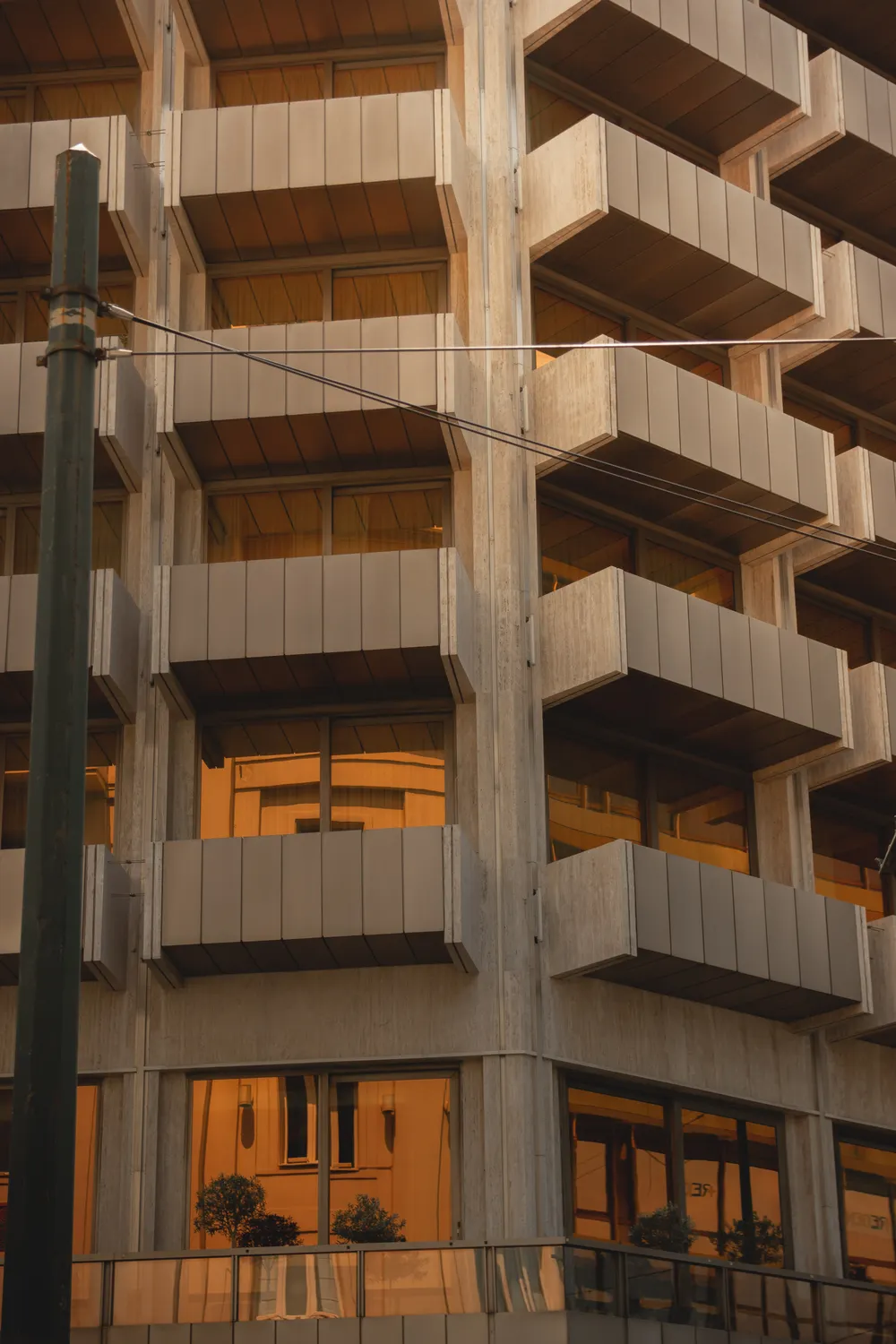
Keyholding & Authorised Access
Your key. Your instructions. A clear way in.
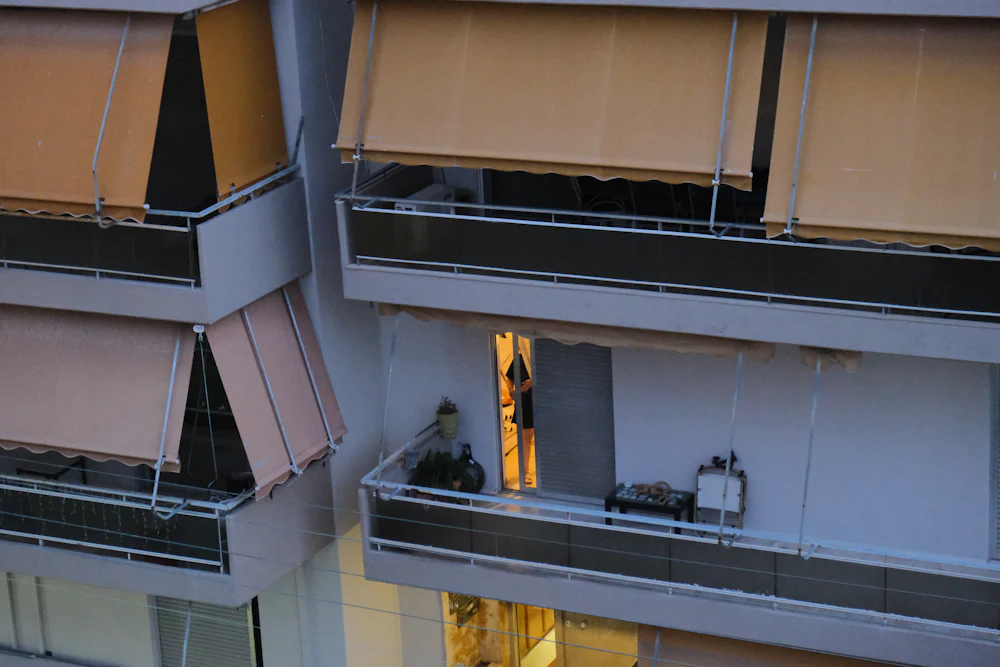
Maintenance Coordination
Fewer loose ends around the work your home needs
The practical detail
How to read your property update
Keep the scope, the information you receive and the decisions that remain yours clear from the outset.
Build a report around decisions
A useful report begins with the agreed purpose of the visit. It should help the reader understand which areas were included, what was visible and whether anything requires a decision. Organising every observation in the same way makes changes easier to follow over time. A simple structure can identify the area, describe the observation, state any limitation and separate the proposed next step from the work already completed. The layout shown on this page illustrates that approach; it is not a record of a real visit.
Read photographs in context
A photograph can support a written observation, but it cannot establish everything outside the frame. The angle, lighting and accessible viewpoint may affect what the reader can see. Agree which areas may be photographed and avoid including occupants, personal documents or identifying details that are unnecessary to the purpose. If a photograph is unavailable or does not show enough detail, the written note should preserve that uncertainty. An image alone should not be presented as proof of a technical diagnosis or completed repair.
Keep follow-up status explicit
An open item should remain distinguishable from a proposed action, an approved instruction and confirmed completion. For example, a request to obtain more information does not show that the underlying issue has been resolved. When a later observation is added, relate it to the earlier item and describe what has changed. If completion depends on information from a contractor or the owner, identify that dependency. This makes it easier to see which decisions remain outstanding without overstating what a property visit established.
Agree a useful reporting rhythm
Discuss who should receive the report, the preferred format and the level of detail before the service begins. An owner who wants a concise overview may still need access to the relevant supporting observations. More pages do not necessarily create more clarity; consistency and a visible distinction between fact and uncertainty matter more. Confirm how questions will be raised and how corrections to a factual record should be handled. Describe your reporting needs in an enquiry without sending private property records at this first stage.
A home worth caring for
Make the distance feel a little smaller.
Start with your property’s general location, how you use it and what you would like to make easier.
Illustrative report · not a client record
What a useful update can look like.
| Report field | Illustrative entry |
|---|---|
| Visit scope | Accessible kitchen, living room and main balcony; visual observations only |
| Observation | A new mark is visible beneath the kitchen window. Its cause has not been established. |
| Evidence | A wide view and closer detail would be attached, with a dated note. No client photographs are shown here. |
| Access limitation | The locked storage room was not accessed and was not checked. |
| Owner decision | Confirm whether to request a qualified contractor’s assessment and separate quotation. |
| Next step | Record the authorised action, appointed contact and date once agreed. |
Across Greece · from €69/month
A plan for the home you return to.
Explore our coverage, understand plans and pricing, or read the owner guides before discussing your property.